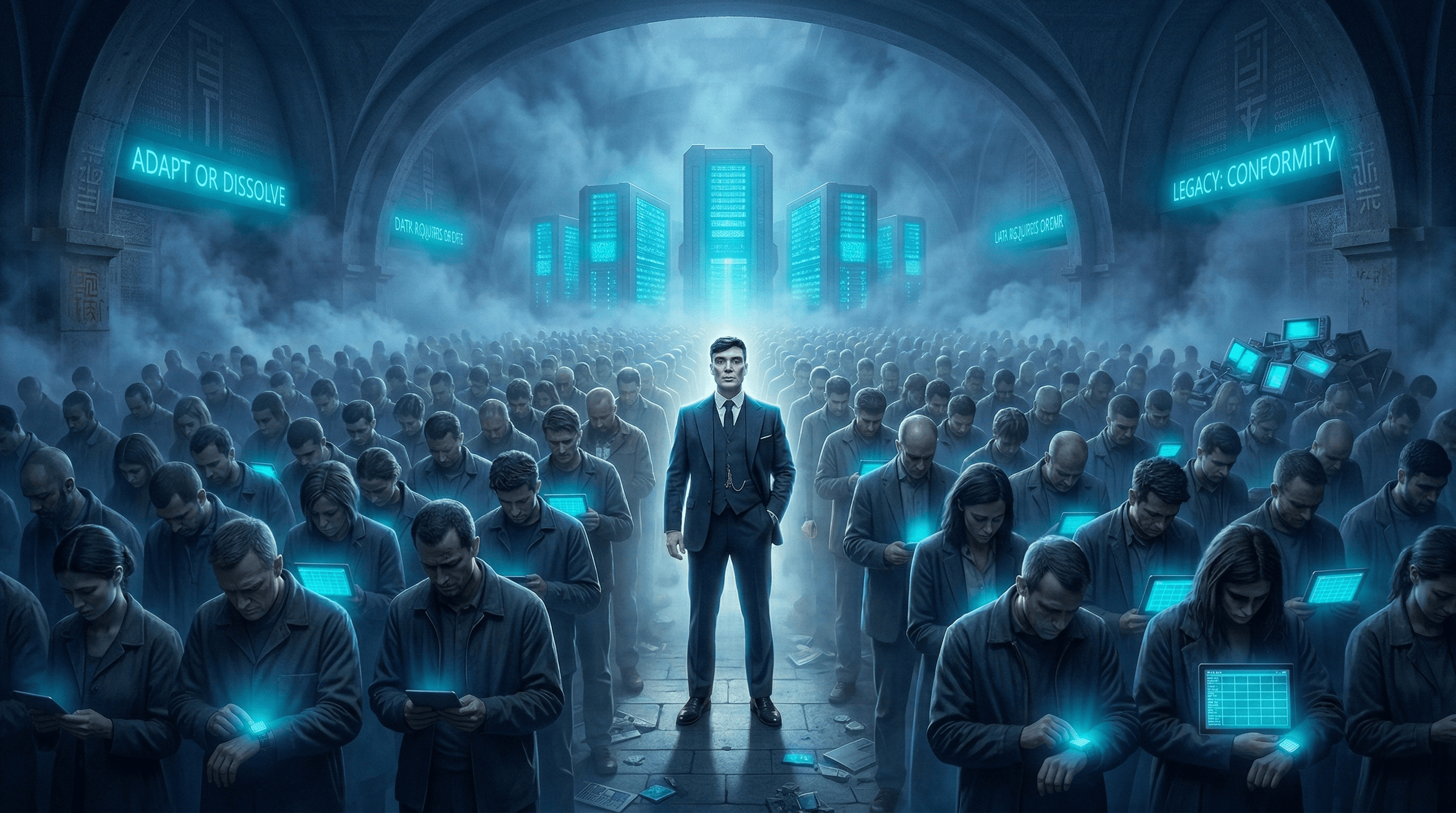
The global job market is shifting. While massive headlines focus on tech giants laying off thousands, a more subtle and dangerous trend is emerging: Quiet Layoffs. In 2026, staying "safe" is no longer about doing your job; it's about staying indispensable and recognizing the early warning signs before they escalate into an exit notice.
1. The Reality of Modern Layoffs
Layoffs are no longer confined to Silicon Valley. In India alone, major players across sectors have seen significant headcount reductions:
- ›IT Giants: TCS reduced its headcount by 25,000 for the first time in 19 years, while Infosys and Wipro saw cuts of 26,000 and 25,000 respectively.
- ›Startups: EdTech and FinTech sectors have been hit hard, with companies like BYJU'S, Paytm, and Ola Electric cutting thousands of roles.
- ›Quiet Layoffs vs. Public Press Releases: Managers often use "Performance Improvement Plans" (PIPs) with vague targets (like "improve communication" or "innovation") to push employees toward voluntary resignation, avoiding severance liabilities and public negative press.
2. Who is at Risk?
The profile of the average laid-off worker has changed. In 2026, 35% of all layoffs are in middle management.
- ›The Communication Layer: Companies are realizing that middle managers often act as "post offices"—simply passing messages between leadership and the ground floor without delivering direct value.
- ›Automatable Roles: Any job that is repetitive, predictable, or template-based is at risk. This includes manual testing, basic entry-level coding, data entry, and template-based content writing.
- ›The Permanent Shift: Unlike the 2000 tech boom or the 2008 financial crisis, many of these jobs are not coming back because they have been permanently replaced by AI and automated processes.
3. The Three Warning Signs
Don't wait for a formal meeting. Watch for these behavioral and organizational shifts:
- Work Reassignment: You are no longer included in key projects, you stop receiving invitations to important meetings, or you are left "on the bench" without a dedicated active assignment.
- Stalled Career Trajectory: Your manager avoids discussions about your future, promotions, or appraisals. Your emails go unanswered, or the credit for your work is assigned to others.
- Hiring Freezes & Push to Office: When employees leave and aren't replaced, it signals a job freeze. Additionally, a sudden, massive push to return to the office often precedes organizational "thinning".
4. How to Stay Indispensable
To thrive in this environment, shift your mental model from output to outcome.
- ›Focus on EQ over IQ: Jobs that require empathy, human interaction, selling, and high-level creative strategy are relatively safer from AI replacement.
- ›Embrace AI: Don't run from AI; learn to use it. The winner in 2026 isn't the one who ignores AI, but the one who uses AI to do the work of five people.
- ›Ask "Why," Not "What": When given a task, focus on what achieving the goal accomplishes for the company. Being focused on the high-level outcome makes you harder to replace than someone who just follows instructions.
The 2026 job market has no room for the "passenger." As companies lean into automation and middle-management thinning, the safety of a traditional corporate ladder has vanished. Survival now requires a proactive shift: moving from a mindset of executing tasks to one of driving outcomes.
By recognizing the subtle signals of "quiet layoffs" early and doubling down on high-empathy, AI-augmented roles, you transform from a line item on a spreadsheet into a strategic asset. In this era of permanent shift, you aren't just competing with a machine—you are using that machine to become a more creative, efficient, and indispensable version of yourself.
Share this article

Aura Editorial
Chief Editor
Truth shall set you free